Deprecated: Non-canonical cast (double) is deprecated, use the (float) cast instead in /home/decalsdepot/public_html/wp-content/plugins/easy-table-of-contents/includes/vendor/ultimate-web-scraper/tag_filter.php on line 2922
Deprecated: Non-canonical cast (double) is deprecated, use the (float) cast instead in /home/decalsdepot/public_html/wp-content/plugins/easy-table-of-contents/includes/vendor/ultimate-web-scraper/tag_filter.php on line 2926
Deprecated: Non-canonical cast (double) is deprecated, use the (float) cast instead in /home/decalsdepot/public_html/wp-content/plugins/easy-table-of-contents/includes/vendor/ultimate-web-scraper/tag_filter.php on line 2927
In the current competitive business environment, labeling of products is essential in the communication of quality, origin and brand name. More and more companies are resorting to American-made labels and decals. Such labels do not only indicate quality to the consumers but also provide long-term cost savings, compliance benefits, and reliability which the imported substitutes may not always provide. In the first hundred words, it is evident that the selection of American-made labeling materials has an impact on the product perception, brand credibility, and regulatory compliance, which form a premise of sustainable business practices.
This paper will look at the practical and regulatory side of premium American-made labeling such as the Federal Trade Commission Made in USA labeling rule, material selection, long-term advantages, and best practices by companies that want to improve their product presentation.
The Increased Demand of American-Labeled Products
The intensity of consumer preference towards products produced in the United States has been high in the past ten years. This demand is a mixture of perceived quality, patriotism, and domestic labor. A 2022 survey by the Reshoring Initiative found that 77 percent of U.S. consumers believe that American-made products are of high quality in terms of durability and craftsmanship.
Besides consumer perception, domestic sourcing decreases lead times, minimizes carbon emission due to shipping and reduces the risk of tariff or international supply chain disruption. The labels produced in the United States can hence be used as a marketing and operation strength.
Learning about the Made in USA Labelling Rule
One of the most important factors that manufacturers should take into account is the Made in USA Labeling Rule of the Federal Trade Commission (FTC). This rule was updated in August 2021 and does not permit the use of the Made in the USA or Made in America claims on products that are not up to the standard.
Key Compliance Principles
- All or Virtually All Requirement: In order to utilize an unqualified claim, all the substantial parts and processing of a product should be in the United States.
- Qualified Claims: In cases where products have imported components or ingredients, the label should indicate the restriction e.g. Made in USA with imported components or Assembled in USA with foreign parts.
- Express vs. Implied Claims: Claims that are not implied such as Made in USA statements are easy to understand, but images or symbols that imply the United States origin can also be regarded as claims according to the FTC regulations.
When designing compliant labels, manufacturers have to evaluate the place of assembly, the percentage of U.S. components and the critical functionality covered by the foreign components. As an illustration, a watch that is being assembled in the U.S. with movement parts that are imported should have a qualified claim that will precisely reflect its origin.
Choice of Materials to use in high end American-made labels
Good labels need proper choice of materials and adhesives. The American-made pressure-sensitive labels, vinyl decals, and specialty films are durable, environmentally resistant, and can be used on different substrates.
Advantages of Domestic Label Materials
- Durability: The labels printed in the United States tend to have high-quality adhesives and durable materials that resist temperature changes, moisture, and UV rays.
- Regulatory Assurance: The domestic suppliers comply with strict safety and labeling rules, which minimise the risk of non-conformance with federal and state laws.
- Customization: U.S. manufacturers offer customization in shapes, colors, finishes, and printing technologies, enabling the brands to develop unique and professional packaging.
The scholars observe that premium labels lead to perceived product value. Dr. Sarah Mitchell, a packaging consultant and materials scientist, says that a consumer may have the first tactile experience of a product with the label. The products made in America offer uniformity and dependability that builds brand loyalty.
Cost Saving Benefits of American-Made Labels in the long run
Although imported labels might be cheaper in the short run, American-made labels will save in the long run.
Cost Considerations
- Longevity: Good quality material will save on labour and material costs in the long run as they will not require frequent replacements.
- Reduced Returns: Durable, Accurate Labels: durable and accurate labels reduce mislabeling, peeling, or fading to reduce product returns or complaints.
- Operation efficiency: Reduction of shipping time between suppliers in the country enhances inventory control and minimizes the chances of delays in production.
As an illustration, the lifespan of pressure-sensitive vinyl labels manufactured in the US is about 3-5 years in the outdoor environment, and more affordable imported products might not last more than several months. American-made labels are often a better total cost of ownership, when consideration is made of replacement costs, labor, and possible losses in brand reputation.
Ethics, Consumer Trust and Compliance
The practice of adopting the labeling practices that are of American origin is in tandem with ethical business practices and consumer expectations. Besides compliance with regulations, domestic labels are also committed to labor and environmental standards.
Consumer Perception
- The Boston Consulting Group survey revealed that 63 percent of consumers would pay a premium price on a product which is labeled as Made in USA.
- Labels act as a visual indicator of transparency, where the origin of parts and assembly is conveyed to customers.
Companies can avoid fines and penalties imposed by the FTC by following the rules of labeling. False advertising may lead to civil damages and consumer restitution, which explains the need to label products correctly.
Practical Premium Labels Applications
American labels are very versatile and can be used in a wide range of applications, such as retail packaging, or industrial safety labeling.
Examples of Use
- Retail Products: Promotes brand awareness and regulatory compliance on food, clothing and consumer products.
- Industrial and Safety Labels: Equipment, hazardous materials and compliance equipment labels that are pressure-sensitive and made of vinyl.
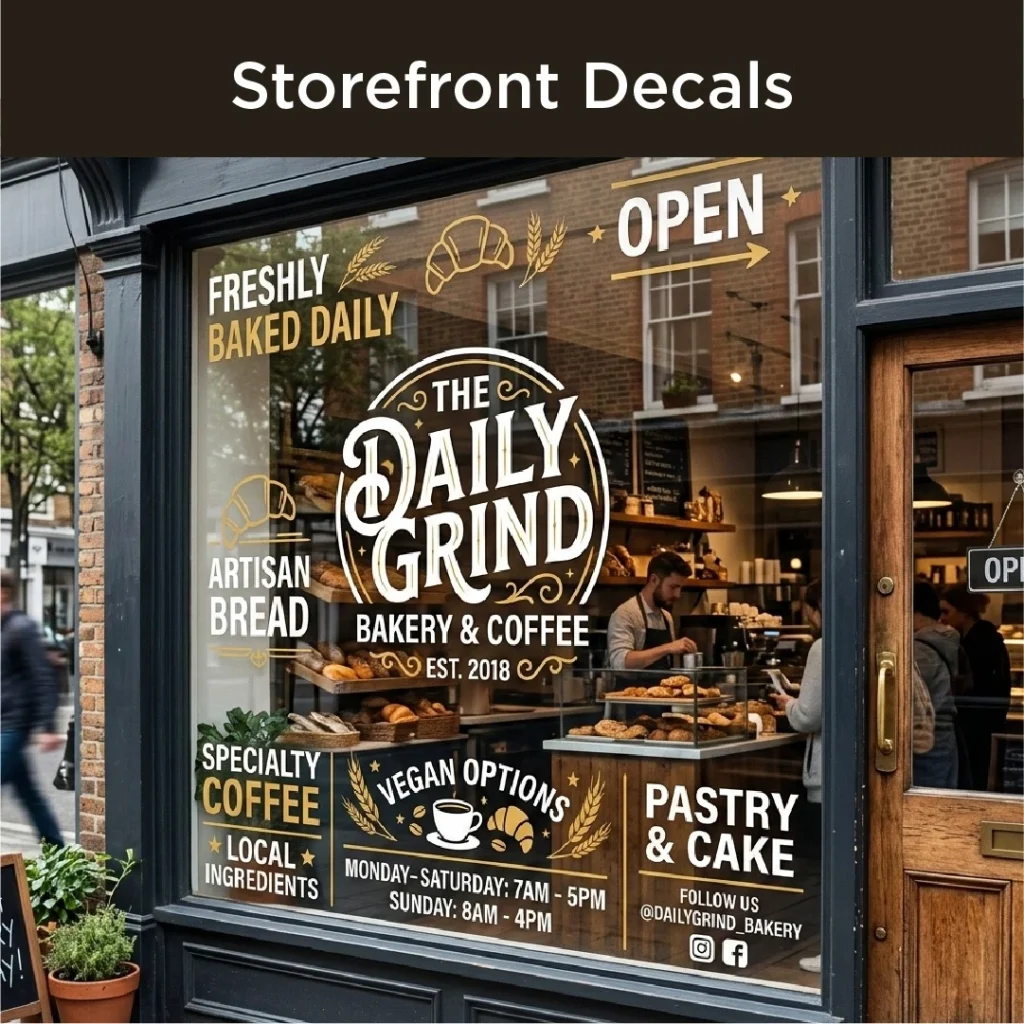
- Fleet Decals: Marking company vehicles means that they will be regularly seen and gives the impression of professionalism.
- Personalized Packaging: Seasonal promotions, small editions, or specialty products.
Supply chain management experts observe that integration of quality domestic labels into packaging design enhances the attractiveness appearance in addition to mitigating supply chain vulnerability, which is beneficial to operations other than marketing.
Choosing the Right Supplier of Labels
When selecting a supplier domestically, one has to consider the capabilities, the quality of the materials and the compliance standards. Key factors include:
- Capacity to create weatherproof, tough labels that can be used in your product setting.
- Regulatory compliance experience in voluntary claims like Made in USA.
- Custom design flexibility and batch flexibility to meet large scale production and specialized production.
Best Practice in Premium Product Labelling
- Evaluate Product Origin: Ascertain the degree to which components and assembly can be termed as an unqualified Made in USA claim.
- Select Durable Materials: Select glues, materials and finishes that are appropriate to the environment and shelf life.
- Make it clear: Employ understandable, readable text and design features to convey product origin and brand identity.
- Ensure Compliance Documentation: Maintain documentation of claims to avoid regulatory disagreements.
- Assess Total Cost of Ownership: Be it durability, replacement rate, and shipping reliability, when comparing the domestic and foreign choices.
Conclusion
Labeling of premium products using American made materials is a strategic option that will improve brand credibility, compliance and long term value delivery. Choosing quality domestic materials and following the FTC labeling, the businesses strengthen the trust of consumers and do not take the risk of regulation. Its advantages are not limited to marketing: local brands decrease supply chain risks, decrease carbon footprints, and enhance American labor. American-made labeling is an economical and ethical investment to companies that want to convey the message of quality, sustainability, and professionalism.
FAQs
What makes a product eligible to bear the Made in USA label?
A product should be all or virtually all manufactured in the United States, its components, and processing. Qualified claim is needed in case foreign parts are utilized.
Will I be able to say that it is an Assembled in USA product when some of the parts are being imported?
Yes. This is a true representation of the fact that a significant level of assembly is done within the country, although certain parts may be imported.
Are the American-made labels more affordable than the imported labels?
Although initial expenses can be more expensive, local brands would have long-term benefits because of their durability, lower replacement, and logistical risks.
What are premium American-made labels made of?
The typical materials are pressure-sensitive vinyl, coated paper, polyester, and specialty films that can be used either indoors or outdoors.